Nuva team
Can You Get Paid for Your AI Likeness? How Licensing Works
Explore how AI likeness licensing can create paid opportunities, what affects earnings, and how talent can define permissions with Nuva.
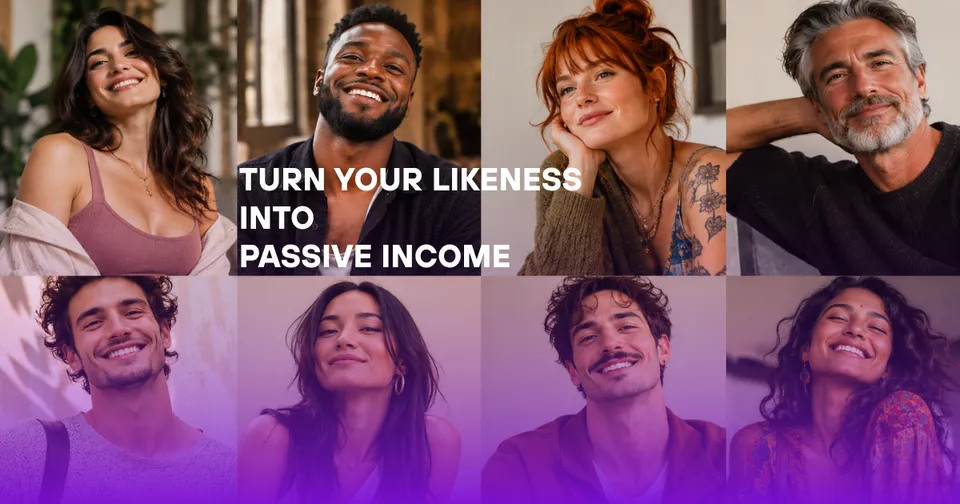
Yes! paid AI likeness licensing opportunities exist. A brand or producer can pay for permission to represent your appearance in defined AI-generated content. Whether you receive an opportunity, and what you earn, depends on selection, the project, and the agreement.
Licensing your likeness means agreeing to specific uses of how you look. It does not automatically mean allowing unlimited use of your face, voice, or identity.
For models, actors, creators, and people with a distinctive presence, this can be another way to participate in commercial content. Understanding the terms matters just as much as understanding the opportunity.
What could your likeness be used for?
A producer might want a person's appearance for a fashion campaign, an e-commerce image, an advertising scene, or a character in an AI short film.
These are different opportunities. A person comfortable with clothing imagery may have different preferences about a dramatic role or a spokesperson script. The agreement should explain the scenario so you can decide what fits.
An AI-generated scene can also show you doing something you never physically performed. That is why the intended depiction belongs in the conversation before you agree.
Do you need followers or modeling experience?
A likeness license is about permission to represent your appearance. It does not necessarily include access to your followers or a post on your social account.
Professional experience can help you prepare assets and understand briefs, but each project has its own casting needs. A producer may be looking for a particular look, age range, character presence, or connection to a campaign audience.
Nuva's intended talent community includes models, actors, creators, and everyday people. Applicants must be at least 20 years old, complete identity verification, and be free of agency or exclusive restrictions that prevent the proposed licensing. Review any existing representation arrangement before applying.
How does the process work?
Nuva's planned talent journey has six practical stages:
- Apply and verify your identity. Provide the required information so the platform can establish who is participating.
- Prepare your reference assets. Supply suitable material that you have permission to provide.
- Define your preferences. Identify acceptable uses, restrictions, and licensing conditions.
- Complete profile review. A profile is intended to help relevant producers discover you.
- Evaluate licensing opportunities. Requests are handled according to your recorded permissions and the applicable approval process.
- Receive payment for agreed paid licenses. Payment follows the transaction terms, rather than simply uploading a profile.
The exact steps available at launch should be checked on Nuva's talent page.
[insert image: Six-stage visual showing application, identity verification, reference assets, permissions, licensing opportunity, and payment under agreed terms. Suggested alt text: Planned Nuva talent journey from application to a paid likeness license.]
What affects how much you could earn?
There is no universal income figure for AI likeness licensing. A short campaign in one market differs from a longer agreement across several countries and media channels.
Factors to review include duration, territory, media, exclusivity, the proposed depiction, and any separately requested voice or performance rights. The agreement should also explain platform fees, deductions, payment timing, and renewal arrangements.
Ask what you would receive from a particular transaction, rather than relying on a headline earning claim. Do not assume payment is calculated per view, per generated image, or as recurring royalties unless that is stated.
Joining a marketplace does not guarantee selection, bookings, or income.
What does control look like in practice?
Control starts with understandable terms. You should be able to identify who is using your likeness, for what purpose, in which markets, and for how long.
For example, you might be comfortable with a fashion campaign while declining a political context or a personal testimonial. Those boundaries need to be recorded in the relevant permissions, not left as an informal conversation.
Nuva is being designed around informed consent, defined usage preferences, and traceable license records. These help make the authorized use clearer. They should not be confused with a promise that misuse anywhere on the internet can always be prevented.
Frequently asked questions
Will I need to attend a shoot?
Some opportunities may use suitable existing reference assets; others may require new capture or additional material. Confirm the asset requirements and any associated costs before agreeing.
Can I stop future licensing?
Review the platform terms and each agreement. Stopping new opportunities and ending an already-issued license are different matters, and existing permissions may continue for their agreed term.
Is my voice included?
Do not assume so. Voice use or cloning should be addressed separately from visual likeness whenever it is requested.
Explore becoming a Nuva Talent
Nuva is live! The marketplace connecting real people with producers seeking licensed human likenesses for AI content. Learn how our permissions work, check eligibility, and submit your application to start monetizing your likeness securely.
Before you decide, read 10 questions to ask before licensing your face to AI.